


The Hold and Win Games Educational Hub serves as a dedicated educational portal for Canadian players looking to understand the workings, probabilities, and best practices related to Hold and Win slot games https://holdandwin.eu.com/. Through concise, data?driven articles, the portal explains the popular element that has transformed internet gambling across Ontario, British Columbia, Quebec, and the Atlantic provinces.
Highlighted Feature: Distinctive Symbols and Extra Rounds
Outside of the core lock?and?respin action, modern Hold and Win slots incorporate extra unique symbols to amplify anticipation. Cash?on?reel symbols show fixed bet multipliers, while Mini, Minor, Major, and Grand jackpot icons award their designated pre?set prize values. When these occur during the feature, they stay on the respin board alongside regular bonus coins, building cumulative value.
Multiplier symbols are a common innovation. When a multiplier appears during the free spins, it either increases the final amount by a factor or increases the worth of nearby symbols. In some titles, a persistent multiplier rises each time a new coin locks in position. The Learning Centre?s game analyses highlight which versions employ cumulative versus static multipliers and how they influence the maximum win cap.
Collect icons bring another strategic layer. These symbols collect all visible cash values from the layout and combine them to their own sum before settling down. Double?strike icons count as two bonus symbols, hastening the process to cover the board and initiating the Grand jackpot more easily. The hub?s interactive symbol guides show how each symbol functions in over 50 highlighted games.
Some creators introduce pre?feature bonus rounds, such as a wheel that sets the starting respin number, number of locked icons, or a booster multiplier value. Others include sticky wilds that persist for the entire respin game, turning adjacent standard symbols into extra paying combinations. These nuances emphasize why Hold and Win is better viewed as a type rather than a uniform mechanic.
The educational hub also details how different software studios implement these elements. For instance, slots with a Power Hold buy?in option enable direct access to the bonus round for a set cost, while others restrict the Grand jackpot to maximum?bet conditions. Grasping these details allows Canadian users to choose slots that correspond with both their entertainment tastes and their budget factors.

Strategies for Smarter Gameplay
Effective bankroll management remains the cornerstone of any gaming session. Since Hold and Win features may be rare, players should break their session budget into smaller chunks and pick a bet size that allows at least 150 to 200 spins, increasing the likelihood of witnessing the lock?and?respin round within comfortable financial limits.
- Set a loss limit before you begin and stop playing once you reach it.
- Utilize demo modes found in the Learning Centre to grasp feature frequency without wagering real money.
- Check the paytable for jackpot thresholds?some Grand prizes only activate when bets meet specific conditions.
- Do not raise bets following a sequence of losses; the random number generator lacks memory.
- Take periodic breaks to preserve clear judgment.
The Hold and Win Games hub emphasizes that no strategy can overcome the house edge. Knowledgeable bet sizing, though, can lengthen playtime and potentially boost the count of feature triggers within a given budget. Gamers who aggressively seek bonus rounds often exhaust funds before a profitable respin sequence occurs, underscoring the value of preset spending limits.
Comparing multiple Hold and Win titles using the hub?s side?by?side analysis charts reveals that some games mathematically trigger the respin feature more often than others, even at comparable RTP levels. Choosing a game with a lower trigger requirement?like needing five starting symbols instead of six?can make sessions seem more dynamic without changing the underlying return math.
Understanding the Hold & Win Mechanic
The Hold and Win feature activates when a player lands a set count of particular bonus symbols?usually six and above coin or torch icons?on the playing field during a regular spin. Those triggering symbols remain stationary, and the gamer gets three re?spins on the unfilled spots. Every time an further special icon arrives, it also fixes and replenishes the respin count to three again. The mechanic concludes when the respin counter reaches zero or all grid cells are filled.
Each stationary symbol reveals a monetary reward or a jackpot label such as Mini, Medium, Major, or Grand. Some games feature multiplier icons that increase the final total once the re?spin round ends. If all spots on the playing area becomes filled, most Hold and Win games grant the Maximum jackpot as a sweeping reward. The Knowledge Portal?s tooltips explain that the values presented are consistently multiplied by the triggering bet.
Some Hold and Win slots act the same. Certain editions add a gather icon that accumulates all visible cash amounts before securing, while other versions include dual icons that count as two locks. Software studios like Booongo, Playson, and 3 Oaks have each contributed proprietary twists to the mechanic. The portal maintains an evolving catalogue that tracks these feature differences across over 70 games offered to Canadian audiences.
Beginners sometimes mistake the re?spin indicator with a free?spin round, yet the design is different. The centre?s interactive guides demonstrate how fixed icons remain in place, creating a grid?filling challenge missing from typical free spin rounds. By isolating this system, the Learning Centre assists gamers rapidly determine whether a title suits their enjoyment criteria before wagering genuine funds.
The function of Return to Player and Variance
Return to Player, abbreviated as RTP, indicates the mathematical percentage of total wagers a game is designed to return over millions of spins. For Hold and Win titles, stated RTP usually incorporates the full sequence, including the respin mechanic. The hub documents that games approved for Canadian regulated markets typically fall between 95.5% and 96.8%, although operator configurations can modify this within approved ranges.
Volatility gauges how payouts are distributed across a play period. High?volatility Hold and Win games concentrate the return during the bonus mode, causing phases of small base?game returns and uncommon but large respin spikes. Lower?volatility choices may initiate the lock?and?respin stage more often, but the specific jackpot limits are commonly capped to maintain the advertised RTP path.
The interplay between RTP and volatility influences the practical player session far more than the nominal percentage alone. Two games both listed at 96% RTP can appear radically distinct if one shows high volatility and the other remains in the medium category. The Learning Centre?s comparison charts display verified volatility ratings alongside observed feature?trigger intervals, permitting players to pair game selection with personal risk appetite.
In Canada, provincial regulators require that RTP calculations be confirmed by independent testing laboratories such as GLI or iTech Labs. The hub references these approvals in every game profile, ensuring visitors can check that the advertised numbers correspond to audited outcomes. This clarity helps players tell apart between marketing claims and the mathematical truths imposed by oversight authorities.
Bonus?buy versions, where players can buy direct access into the Hold and Win feature for a set factor, often carry slightly divergent RTP figures. The hub?s detailed breakdowns state when a 100x?bet buy?in changes the return structure higher by a small part of a percentage, giving players a clear view of the cost?benefit trade?off before committing to the option.
The way Hold and Win Games Contrast with Traditional Slots
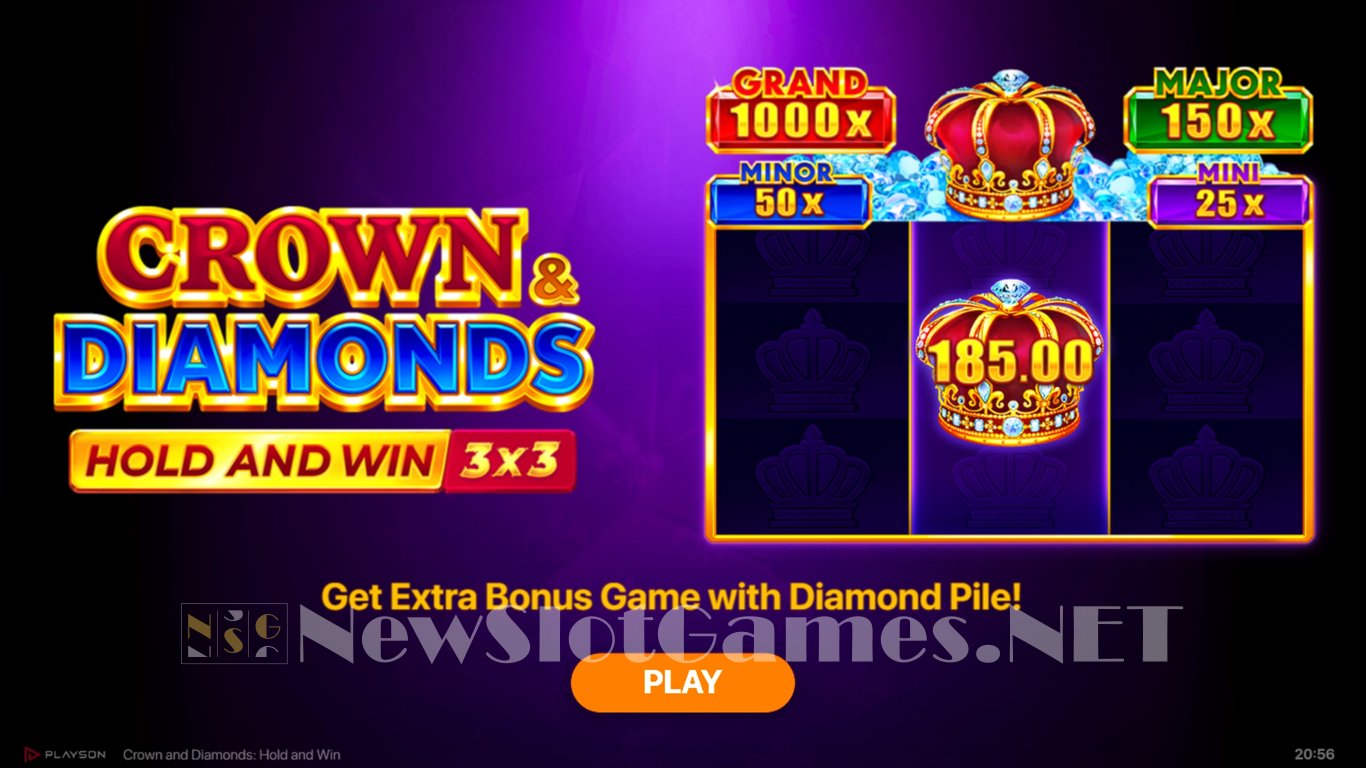
Traditional slots rely on payline symbols aligning left to right, with payouts according to combination charts. Hold and Win titles shift the spotlight to the lock?and?respin feature, where pooled prize symbols and progressive jackpots dominate the math model. The base game often acts as a delivery system for the feature, changing the risk?reward cadence that players look for from classic three?row video slots.
Because the feature gives only the values gathered during respins, volatility profiles change noticeably. Dry spells between feature triggers can extend longer than in standard slots, but a single triggered round may deliver returns ranging from 20 times the bet to well over 2,000 times the wager. This distribution means bankroll pacing requires a different mindset compared to a traditional 20?payline game.
The respin sequence provides heightened tension through a game?within?a?game dynamic. Visual and audio cues intensify as positions fill, mimicking the suspense of a jackpot chase without complex side?game navigation. Many Canadian players gravitate toward this format precisely because it blends straightforward rules with the adrenaline of watching a grid approach completion.
Traditional bonus rounds often include pick?me screens, wheel spins, or cascading reels layered on top of the base game. Hold and Win games reduce that to a single repeated action: lock and respin. This editorial viewpoint is explored in the hub?s design analysis series, which contends that the genre?s transparency explains its rapid adoption across provincial iGaming portals.
On mobile devices, the differences are even more pronounced. The vertical grid orientation of most Hold and Win titles converts seamlessly to smartphone screens, whereas traditional multi?feature slots can feel cramped. The Learning Centre publishes device?specific performance notes so players can anticipate how each title will behave on iOS, Android, and tablet browsers.
Identifying Common Myths and False Beliefs
A widespread myth among players is that a Hold and Win game that has not paid out a major jackpot for many spins is due to hit. In reality, every spin is an independent event governed by cryptographic random number generators audited by third?party laboratories. The odds of activating the feature or getting a jackpot symbol remain constant on each spin, irrespective of previous outcomes or observed dry spells.
Another misconception relates to time?of?day patterns, with some believing that play during early?morning hours yields better returns because fewer people are active. The mathematics of randomness make this notion false. The server?based software employed in regulated Canadian jurisdictions, including those regulated by the AGCO, Loto?Québec, and British Columbia?s GPEB, cannot be coded to favour specific timestamps.
The myth of hot or cold machines persists, driven by short?term observation. A title might appear hot if a player happens to witness a cluster of jackpot triggers. However, such clusters are statistically predicted in random distributions and do not indicate a permanent state. The Learning Centre?s volatility guides show how streaks emerge by chance and why regression to the mean is a natural pattern, not a sign of rigging.
Some players assume that increasing the bet will prompt the feature to activate sooner, as though a higher wager signals the software to reward loyalty. The random number generator determines the outcome independently of bet amount, though prize values in the feature scale with the wager. The hub clarifies that while a larger bet amplifies potential wins, it does not alter the hit frequency of the Hold and Win round.
A subtler myth implies that the colour or design of the triggering symbols?gold coins versus flaming icons?influences the jackpot probability. The educational platform?s symbol?level data tables prove that cosmetic variations carry no mathematical weight. All symbol values are taken from a predefined weight table, and the visual theme is purely an artistic choice with no impact on the bonus frequency.
Safe Play Tools and Resources
Hold and Win Games includes responsible gaming tools right within its educational ecosystem. Visitors can utilize an interactive session budget calculator, a reality check timer that prompts breaks after a chosen interval, and links to verified safer?play organizations across Canada, including ConnexOntario and the B.C. Responsible & Problem Gambling Program.
The Learning Centre advises users to consider a gaming session as an entertainment expense rather than a revenue source. Articles detail how to set deposit and loss limits through provincial platforms such as PlayOLG in Ontario or Espacejeux in Quebec, which provide built?in spending controls when real?money play is involved. These resources translate regulatory jargon into clear, actionable steps.
For those who feel their habits are drifting beyond recreation, the hub provides a direct, no?stigma gateway to self?exclusion services, including the voluntary exclusion programs managed under Canadian Alcohol and Gaming Commission guidelines. Contact numbers and web links are renewed quarterly to reflect the latest provincial regulations and helpline expansions.
Additionally, the site releases psychological insights into near?miss effects and the illusion of control, helping players identify cognitive biases that can lead to excessive time or money spent. By combining game knowledge with self?awareness, the educational hub aims to foster a community where entertainment and safety coexist without compromise.
The platform?s editorial standards also mandate transparent disclosure of affiliate relationships and advertising content, ensuring users can differentiate educational articles from promotional material. This commitment to integrity reinforces the hub?s role as a trusted source for Canadian gamers seeking both information and responsible?play guidance.